
 English
Views: 0 Author: Rebecca | Senior FF&E Procurement Specialist Publish Time: 2026-10-09 Origin: Site


A profile-by-profile comparison of high-end and mid-range office chair archetypes for 2027 buyers, with USD price bands, certification checklists, and lead-time benchmarks.
Choosing between luxury office chair brands and mid-range manufacturers is one of the highest-stakes decisions in workplace procurement for 2027. Executive seating shapes the first impression a boardroom makes, while task chairs decide daily comfort for hundreds of employees, and the price gap between the two tiers can exceed tenfold. This guide profiles the leading brand archetypes across both tiers, compares them attribute by attribute, and explains where a China export-engineering specialist such as HONGYE delivers the strongest value.
All figures below use industry-standard USD bands for commercial procurement rather than promotional pricing, and every competitor is described by archetype instead of by name, so the framework remains reliable as individual brands rise and fall in any given market.
A luxury office chair is a seating product engineered for intensive daily executive use, combining certified materials, advanced ergonomic mechanisms, and a recognizable design pedigree, typically retailing from USD 1,500 upward, while mid-range chairs deliver core ergonomic performance between USD 300 and 900.
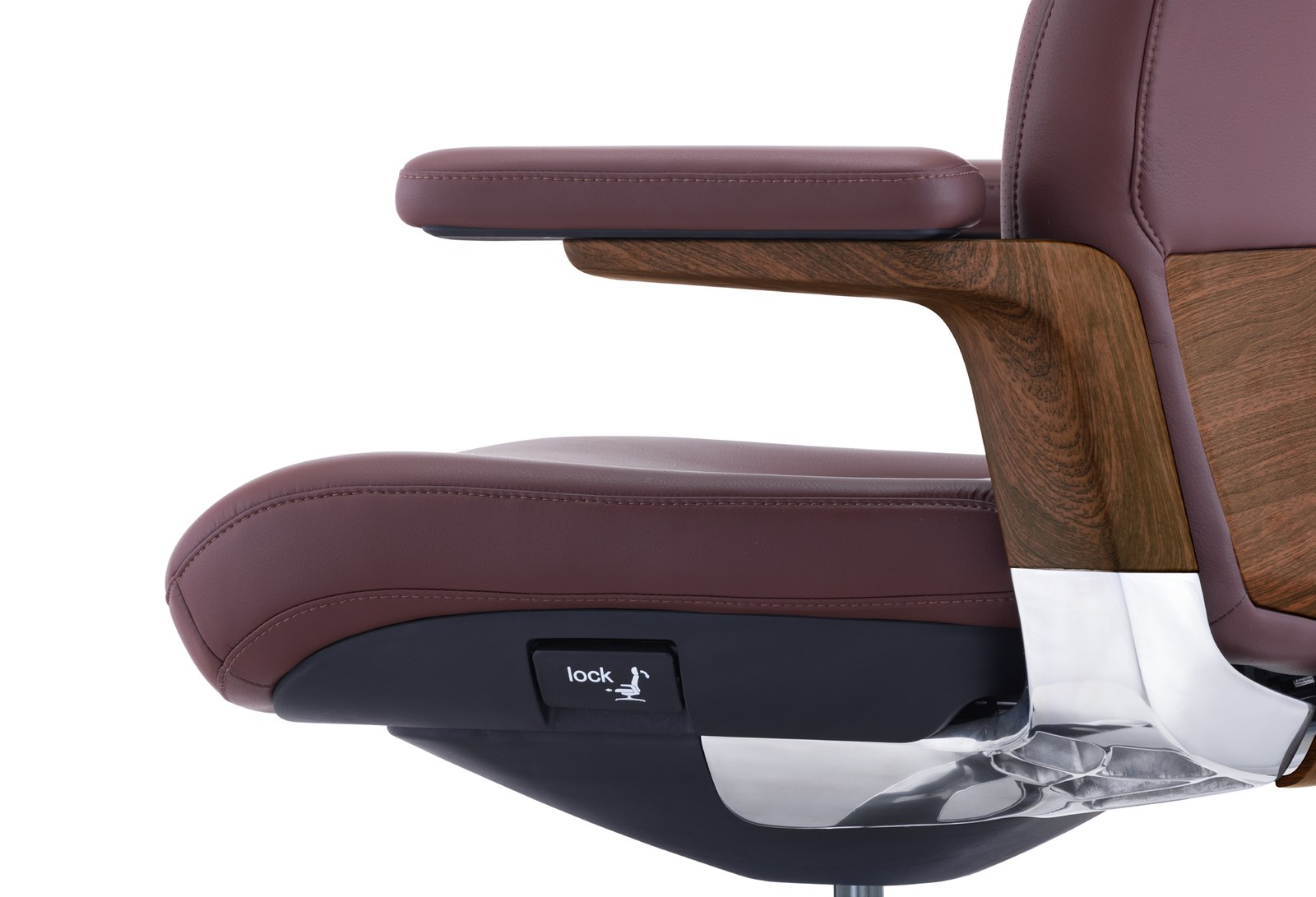
The markers that separate the tiers are concrete rather than cosmetic. A true high-end chair pairs a synchronous tilt mechanism with 4D adjustable armrests, die-cast aluminium bases, and full-grain leather or technically advanced mesh, and it carries deep third-party validation. BIFMA, the North American business and institutional furniture standards body, is the benchmark for structural safety and durability, while GREENGUARD certifies low chemical emissions for indoor air quality. Warranty length, spare-part availability, and the ability to reproduce one specification across hundreds of units complete the picture.
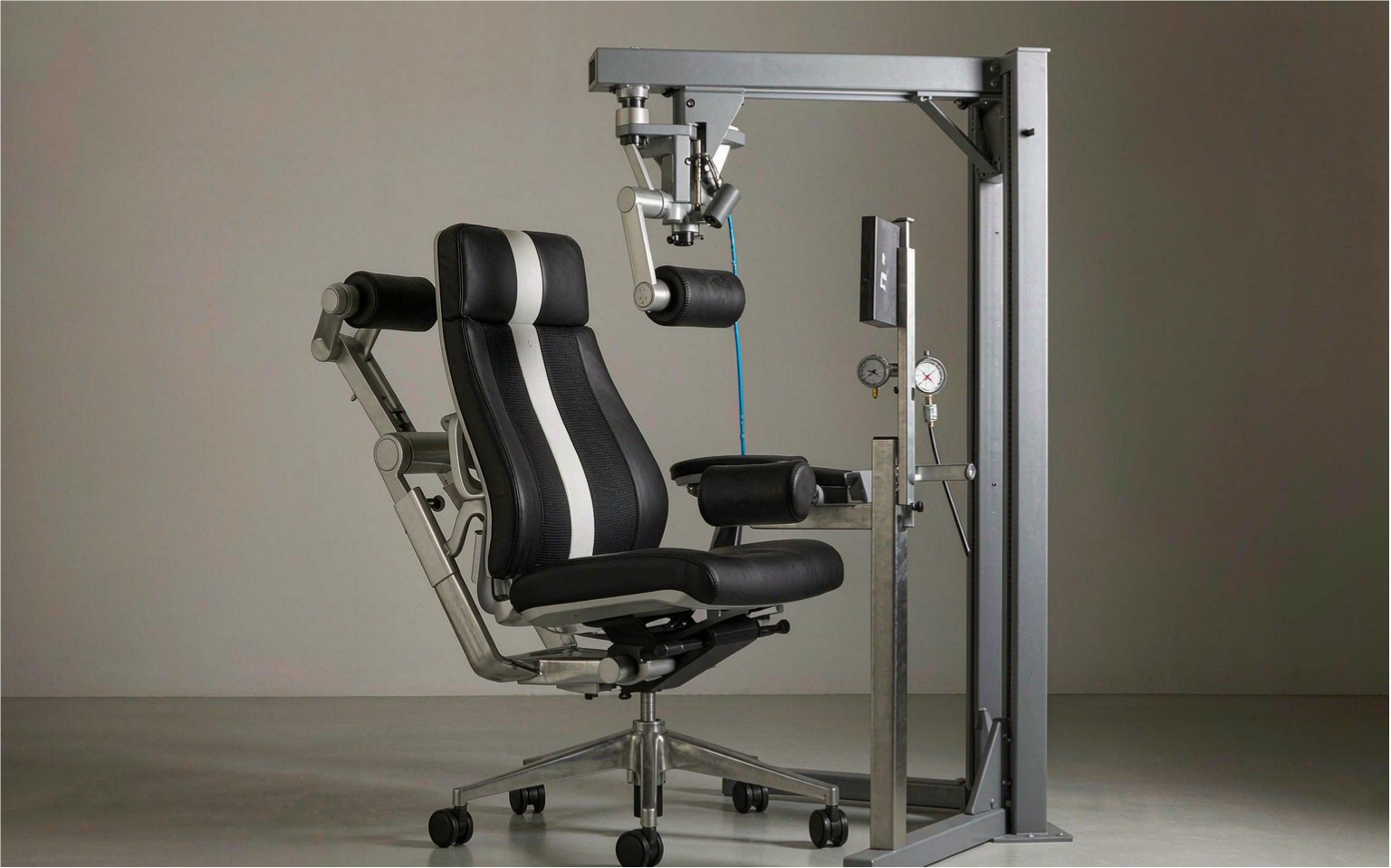
Mid-range chairs are not simply cheaper versions of the same object. They are engineered around a different buying decision: delivering certified core ergonomics and repeatable quality at container-scale volumes, where a corporate fit-out may require 300 to 1,200 identical units delivered against a fixed handover date. That distinction, unit-level craftsmanship versus program-level reliability, is the thread that runs through every comparison in this guide.
The high-end tier is dominated by three European archetypes, each with a distinct philosophy, cost structure, and ideal buyer. Understanding the archetypes matters more than memorizing catalogues, because the archetype predicts how a supplier will behave during a project: how it handles customization, how it communicates, and what its lead times look like under pressure.
The Italian heritage archetype is the emblem of the category. These family-founded houses treat a chair as a piece of collectible design, hand-finishing full-grain leather in ateliers that sometimes predate the modern office itself, and their pieces anchor the boardrooms of law firms, private banks, and five-star hotels. The companion profile is the Italian contemporary design house, which bridges fashion and furniture with sculptural silhouettes and limited-edition collaborations. Buyers accept long customization lead times and pricing that frequently starts where export-band executive chairs end, because the chair itself signals status.
The Nordic design-driven archetype, led by houses from Denmark, Finland, and Sweden, competes on democratic ergonomic philosophy rather than opulence. Its two recurring profiles are the human_factors pioneer, whose research into seated posture shaped the science of ergonomics itself, and the younger Scandinavian studio brand that translates that research into lighter, sustainable, design-forward seating for creative headquarters. Expect meticulous environmental documentation, premium mesh and recycled content, and a aesthetic that dominates tech and consulting offices.
The German engineering archetype sells measurable performance. Its veteran profile is the mechanical-ergonomics specialist, famous for mechanisms warranted for a decade or more of daily use, and its newer profile is the systems house that integrates chairs into broader workplace platforms with digital configurators. German-tier seating is the default in DACH-region corporate towers, and its documentation discipline makes procurement audits unusually smooth.
Choosing within the high-end tier is therefore a branding decision as much as a seating decision. Italian heritage delivers maximum symbolism and suits spaces where clients and guests form judgments; Nordic design-driven seating suits organisations whose identity is built on sustainability and wellbeing; German engineering suits buyers whose procurement rules reward documented durability above aesthetics. Each archetype supports the other two poorly, so the practical exercise is to write down which message the executive floor must send before shortlisting any catalogue. A chair that is superbly engineered but tonally wrong for the brand is an expensive mistake at this price level.
Across all three archetypes, one rule holds: high-end pricing buys unit-level excellence and brand equity, and buyers should verify that those are the outcomes their project actually needs.
The mid-range tier is where most commercial volume actually moves, and it is led by three archetypes: the Vietnam OEM export cluster, the Turkish mid-range volume type, and the China export-engineering model represented in this guide by HONGYE. Each archetype prices executive seating within the USD 500-1,500 band and task seating within USD 80-350, but they differ sharply in engineering depth and project capability.
The Vietnam OEM export cluster has grown rapidly as global brands diversify production beyond China. Its strengths are competitive labour costs, expanding free-trade-agreement coverage, and factories that build to foreign customers' exact drawings. The trade-off is that most plants are build-to-print operations: the buyer supplies the design, the engineering validation, and the certification program, which suits brand owners with their own R&D but leaves project buyers to assemble that expertise themselves.
The Turkish mid-range volume archetype serves Europe, the Middle East, and Africa with short shipping distances and aggressive pricing on standard configurations. It excels at fast repetition of proven models for regional dealers, though deep customization and multi-standard certification for projects spanning several regulatory zones remain less developed than among full-line engineering exporters.
The China export-engineering archetype is the third pillar, and Guangdong Hongye Furniture Group Co., Ltd. (HONGYE) is its representative in this guide. Founded in 1996, HONGYE operates a 300,000+ square-metre production base with more than 1,000 workers, and has delivered seating and complete interior packages for over 1,000 commercial projects across 50+ countries. Unlike build-to-print OEM plants, HONGYE engineers its own chair platforms, holds eight international certifications, and manages whole-project delivery, which is the capability gap that separates an export-engineering group from a pure contract factory. Everything else in this guide follows from that gap.
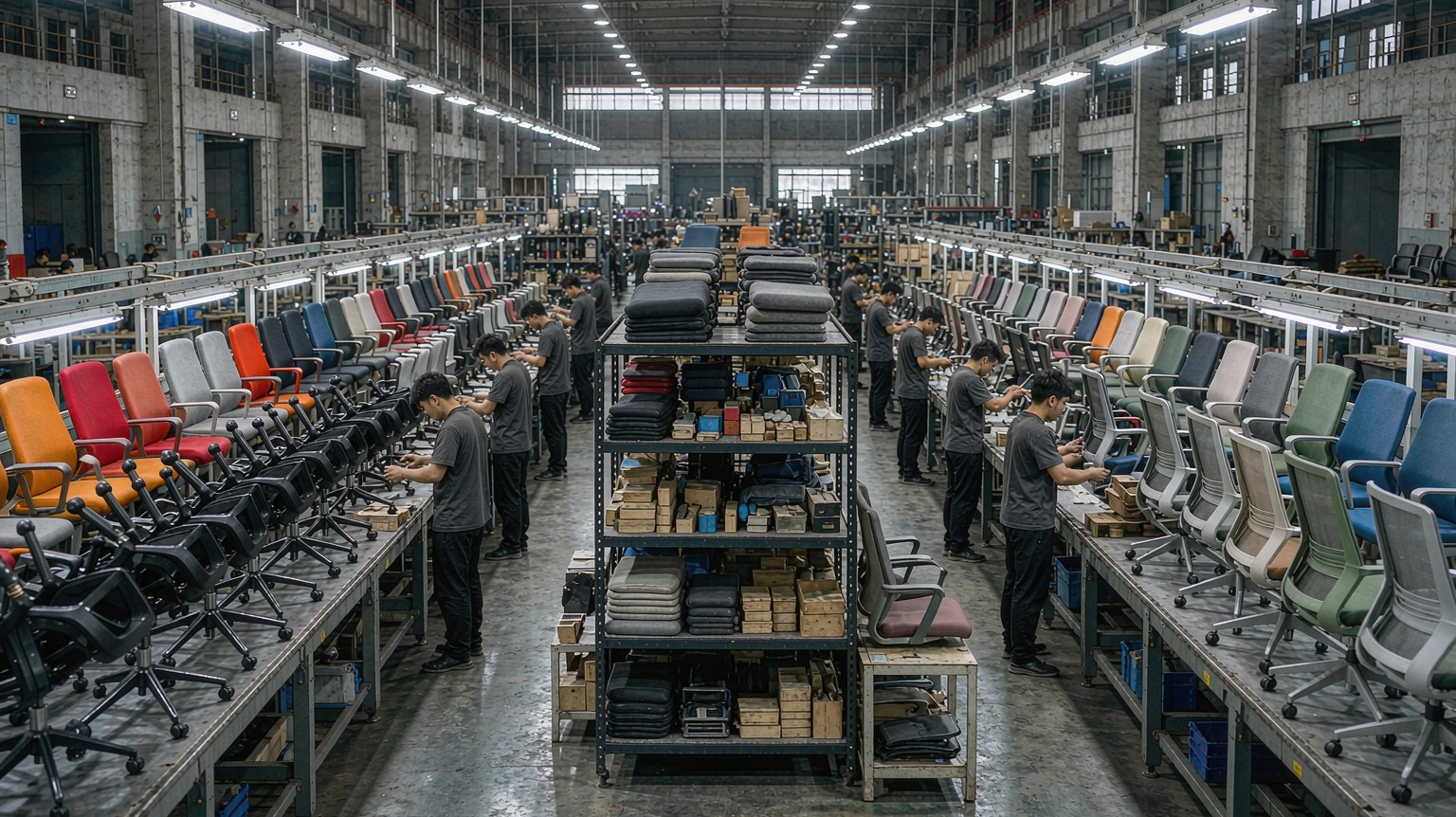
For a procurement team, the practical meaning is this: when a project needs 500 executive chairs and 800 task chairs that must match one specification, arrive together, and pass inspection in one visit, the export-engineering model is built for exactly that problem.
The fastest way to choose a tier is to compare the attributes that actually drive procurement outcomes. The table below contrasts the European high-end archetypes against the export-engineering and OEM mid-range archetypes on the seven criteria buyers weigh most heavily in 2027 tenders.
Attribute | High-End (Italian Heritage / Nordic / German) | Mid-Range (Export-Engineering / OEM Clusters) |
Price positioning | Executive seating commonly USD 1,500+ at retail; task seating USD 300-900 | Executive seating USD 500-1,500; task seating USD 80-350 |
Ergonomic depth | Proprietary mechanisms, decade-scale warranties, research pedigree | Certified core ergonomics, proven platforms, strong value per dollar |
Design pedigree | Iconic, brand-signalling silhouettes | Neutral professional design, easy to specify at scale |
Certification depth | Deep single-market validation (BIFMA, BLUE-type eco labels) | Multi-standard export coverage: ISO 9001, BIFMA, GREENGUARD, CE, CARB P2, FSC |
Customization | Extensive but slow, atelier-level | Factory-level OEM/ODM: dimensions, materials, branding at volume |
Lead time | Often 90+ days for customized European production | 30-45 days standard for consolidated export orders |
Best suited to | Flagship boardrooms, brand experience spaces, executive floors | Corporate fit-outs, multi-site rollouts, hospitality and government tenders |
Read the table as a decision filter rather than a ranking. If a project's success depends on brand storytelling in a handful of signature rooms, the high-end column wins. If the same project also needs hundreds of matching task chairs delivered on one schedule to one site, the mid-range export-engineering column is usually the only column that can hold both the budget and the deadline. Many sophisticated buyers deliberately split the order, specifying high-end seating for the executive suite and export-engineering seating everywhere else.
Budget executive chairs at USD 500-1,500 per unit and task chairs at USD 80-350 per unit in the commercial mid-range, and expect high-end European executive seating to start above USD 1,500 and rise steeply with materials and customization. The table below summarizes the industry-standard bands this guide uses throughout.
Seating Category | Industry Price Band (USD) | Typical Application |
Executive chair | 500-1,500 | Directors, C-suite, boardrooms (export-engineering tier) |
Task chair | 80-350 | Open-plan workstations, back-office and hybrid desks |
Workstation (per position) | 150-400 | Complete desk-plus-storage positions in office fit-outs |
Three cost drivers move a quote inside these bands. Mechanism grade is the largest: a synchronous tilt with weight auto-adjusting costs materially more than a basic tilt lock, and it is the feature most worth paying for on chairs used eight hours a day. Material selection is second, with full-grain leather, technical mesh, and die-cast aluminium each adding a step.
Certification and testing burden is third, and it is the driver buyers most often underestimate, because multi-standard projects must absorb laboratory costs across every market they enter. Quoting a blended per-seat figure against a furniture schedule, rather than a flat unit price, keeps comparisons honest.
Budget discipline also improves when total cost of ownership replaces unit price as the metric. A task chair at USD 250 with a five-year mechanism warranty and replaceable components often costs less per served year than a USD 120 chair replaced at month thirty, and the difference compounds across a thousand seats. Buyers comparing quotes should therefore ask each supplier for warranty terms, spare-part availability, and refurbishment support in writing, because those three line items decide the real cost of mid-range seating far more than the headline discount does.
Verify a supplier with four checks: certification documents verified against issuing bodies, a sample unit tested to standard, a factory audit, and reference projects with named delivery data. Chair failures in the field almost always trace back to a skipped step in this sequence, not to a supplier acting in bad faith.
Start with certifications, because they are the cheapest to check and the hardest to fake. ISO 9001 covers quality management systems, ISO 14001 covers environmental management, BIFMA validation covers structural safety and durability, GREENGUARD covers low chemical emissions, SGS reports cover third-party testing, CE marking covers European conformity, CARB P2 covers formaldehyde emissions in wood components, and FSC covers responsible forest sourcing. HONGYE holds all eight, which allows one supplier to serve projects audited under North American, European, and Gulf frameworks simultaneously.
Certification | What It Verifies |
ISO 9001 | Quality management system across design and production |
ISO 14001 | Environmental management system |
BIFMA | Structural safety and durability performance standards |
GREENGUARD | Low chemical emissions for indoor air quality |
SGS | Independent third-party product testing reports |
CE | Conformity with European health, safety, and environmental rules |
CARB P2 | Formaldehyde emission limits for wood-based components |
FSC | Wood sourced from responsibly managed forests |
Then test a sample against the tender specification, audit the factory in person or through a third party, and demand reference projects with verifiable numbers. On that last point, HONGYE delivered seating and workstations for a Fortune 500 technology headquarters in Southeast Asia, 1,200 workstations in 78 days with 99.2 percent first-pass quality acceptance and 42 percent procurement savings against the client's original budget, and separately furnished a 320-workstation corporate headquarters in Riyadh under Saudi building code requirements.
Commercial Parameter | HONGYE Standard |
Production base | 300,000+ sqm, 1,000+ workers, founded 1996 |
Project track record | 1,000+ commercial projects in 50+ countries |
Lead time | 30-45 days for consolidated orders |
MOQ | Flexible, supports phased and pilot fit-outs |
Trade terms | FOB / CIF / CFR / EXW / DDP |
Certifications held | 8 (ISO 9001, ISO 14001, BIFMA, GREENGUARD, SGS, CE, CARB P2, FSC) |
High-end office chair brands from Italian heritage, Nordic design-driven, and German engineering archetypes buy unit-level craftsmanship and brand equity, best reserved for signature executive spaces. Mid-range export-engineering and OEM archetypes buy certified performance, customization, and 30-45 day delivery at volume, best suited to corporate rollouts.
HONGYE represents the China export-engineering model: 300,000+ sqm of production, 1,000+ projects in 50+ countries, eight certifications, and proven headquarters deliveries. Define whether your project needs symbolism or scale first, then split the order accordingly, and verify every supplier against certifications, samples, audits, and referenced project data before signing.
The real difference lies in engineering depth, materials, and validation rather than appearance. A high-end chair pairs a proprietary synchronous mechanism with full-grain leather or advanced mesh, a die-cast aluminium base, and decade-scale warranties, and it carries deep single-market validation such as BIFMA durability testing and GREENGUARD emissions certification; pricing typically starts around USD 1,500 for executive models. A mid-range chair delivers certified core ergonomics and repeatable build quality within industry bands of USD 500-1,500 for executive seating and USD 80-350 for task seating. Mid-range chairs from export-engineering manufacturers are designed for volume programs, meaning one specification reproduced exactly across hundreds of units with a single delivery schedule. Choose high-end for signature executive spaces where the chair itself signals brand values, and choose mid-range for open-plan floors, multi-site rollouts, and tenders where consistency, budget, and lead time dominate.
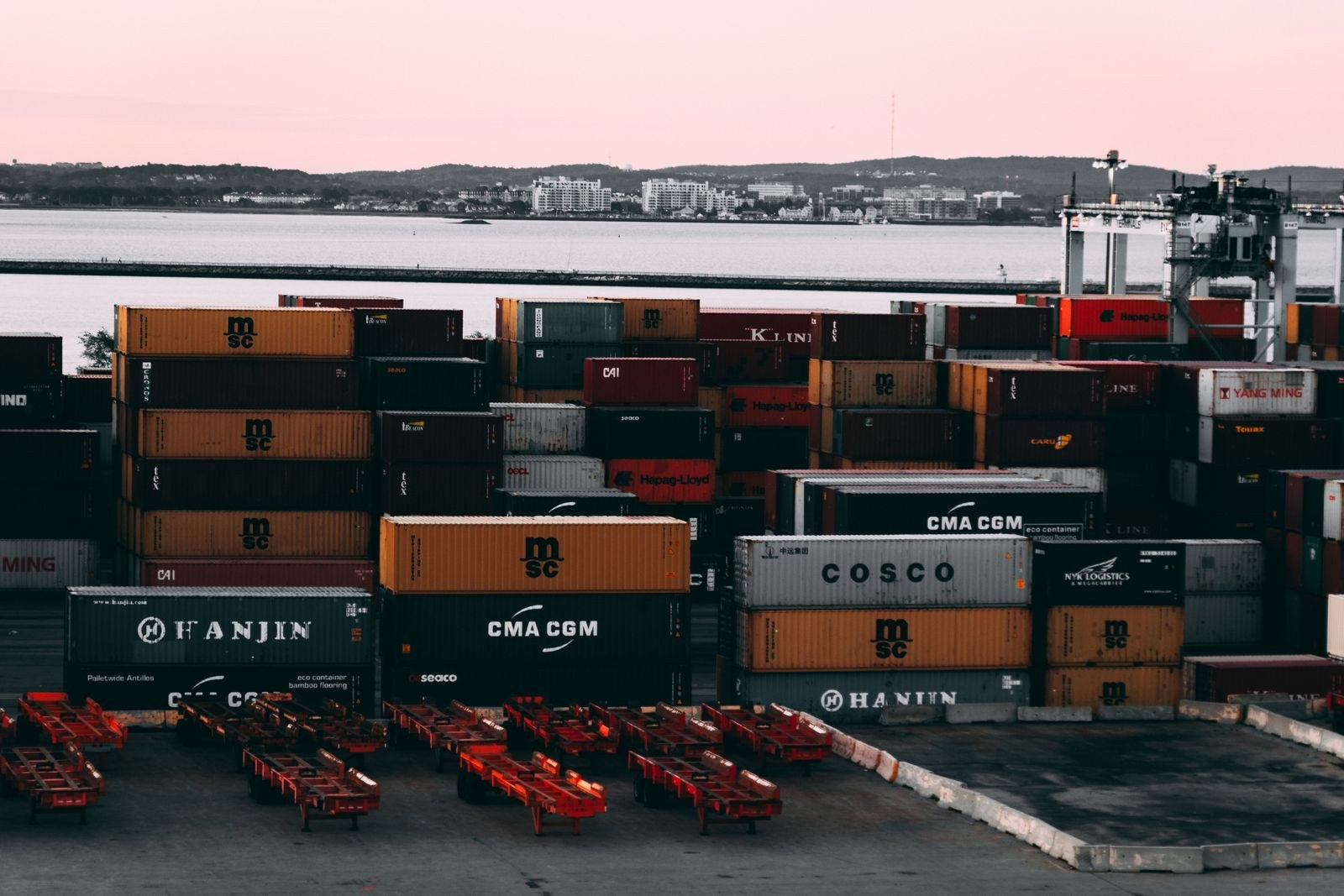
Standard HONGYE lead time is 30-45 days for consolidated office chair orders, measured from order confirmation to ex-factory readiness. Guangdong Hongye Furniture Group Co., Ltd. runs a 300,000+ square-metre production base with more than 1,000 workers, which allows chair production, upholstery, and final assembly to proceed in parallel rather than in sequence. MOQ is flexible, so a buyer can place a pilot order for one floor before committing to a full-headquarters rollout on the same specification. Shipping terms are quoted FOB, CIF, CFR, EXW, or DDP depending on the buyer's logistics preference, and consolidated sea freight to major ports in Europe, the Middle East, and Southeast Asia typically adds three to five weeks on top of production. For time-critical projects, phased deliveries can be scheduled against the fit-out program so that seating arrives floor by floor.
Yes. HONGYE engineers its own chair platforms and offers OEM and ODM customization covering dimensions, mechanisms, upholstery materials, colours, and customer branding, all produced in-house on its 300,000+ square-metre base. The customization workflow moves from specification and 3D drawings to a pre-production sample, laboratory testing against the target market's standards, and then mass production under ISO 9001 quality management. Because tooling, foam molding, metalwork, and assembly all sit inside one factory, changes that would take months across a dispersed supply chain are resolved in weeks. The capability is proven at headquarters scale: HONGYE equipped a Fortune 500 technology headquarters in Southeast Asia with 1,200 workstations in 78 days, achieving 99.2 percent first-pass quality acceptance and 42 percent procurement savings against the client's original budget, a program that combined executive, task, and collaborative seating under one delivery schedule.
Check eight certifications as a baseline for international procurement: ISO 9001 for quality management, ISO 14001 for environmental management, BIFMA for structural safety and durability, GREENGUARD for low chemical emissions, SGS for independent third-party testing reports, CE for European conformity, CARB P2 for formaldehyde limits in wood components, and FSC for responsibly sourced wood. The exact subset a project needs depends on destination: North American corporate tenders usually demand BIFMA and GREENGUARD evidence, European projects require CE marking and increasingly FSC documentation, and Gulf-region headquarters often combine European and American frameworks in one specification. Always verify certificates against the issuing body's registry rather than accepting PDFs alone, and confirm the certificate scope covers chair production specifically. HONGYE holds all eight certifications, which lets a single supplier serve projects audited under North American, European, and Gulf requirements without requalification.
HONGYE has completed more than 1,000 commercial projects across 50+ countries since 1996, and its office-sector references include named headquarters deliveries with verifiable figures. In Riyadh, HONGYE furnished a 320-workstation corporate headquarters in full compliance with Saudi building code requirements, covering executive seating, task seating, and supporting casegoods under one contract. In Southeast Asia, the company equipped a Fortune 500 technology headquarters with 1,200 workstations in 78 days, recording 99.2 percent first-pass quality acceptance at installation and delivering 42 percent savings against the client's original procurement budget. Those two references illustrate the export-engineering model's core promise: one supplier, one specification, one accountable delivery schedule, regardless of whether the site is governed by Saudi, Southeast Asian, or international corporate standards. Buyers can request the corresponding project documentation during supplier qualification.
Yes, and the Fortune 500 technology headquarters program in Southeast Asia is the benchmark case. The client required 1,200 complete workstations delivered and installed within a fixed 78-day window to match a building handover date that could not move. HONGYE ran chair and furniture production in parallel on its 300,000+ square-metre base, phased the shipments against the installation program, and achieved 99.2 percent first-pass quality acceptance, meaning almost no units required rework on site. The program closed 42 percent under the client's original procurement budget while meeting the corporate standard for ergonomics and materials. For buyers evaluating suppliers, the case demonstrates the three capabilities that matter under deadline pressure: in-house production depth that removes supplier-chain bottlenecks, quality systems that pass inspection the first time, and project management experienced in coordinating delivery windows with contractors and fit-out teams.
Budget USD 500-1,500 per executive chair and USD 80-350 per task chair in the commercial mid-range, which covers the export-engineering and OEM tiers that serve most corporate procurement. Within those bands, three factors move the final quote: mechanism grade, where a weight-auto-adjusting synchronous tilt commands a premium over a basic tilt lock; material selection, where full-grain leather, technical mesh, and die-cast aluminium each add a step; and certification burden, where multi-market projects must absorb laboratory testing for every standard they enter. High-end European executive seating from heritage and design-driven houses generally starts above USD 1,500 and rises steeply with customization. A practical method is to build a furniture schedule by role, specify the tier per role, and request blended per-seat pricing against the schedule rather than comparing flat catalogue prices across incomparable specifications.
HONGYE serves buyers in more than 50 countries across Europe, the Middle East, Africa, the Americas, and Asia-Pacific, supported by eight international certifications that cover the main regulatory frameworks in those markets. Orders are quoted on standard trade terms including FOB, CIF, CFR, EXW, and DDP, so buyers can choose between managing their own freight and taking delivery at destination with duties included. Consolidated orders ship with a standard 30-45 day production lead time, and MOQ is flexible enough to support pilot fit-outs, phased rollouts, and full headquarters programs on the same specification. The company's project portfolio spans corporate headquarters, hospitality, healthcare, and education sectors, with more than 1,000 commercial projects delivered since 1996, which means regional references can usually be provided during qualification for whatever market a buyer operates in.
Guangdong Hongye Furniture Group Co., Ltd. delivers certified executive and task seating for corporate rollouts in 50+ countries. Send your furniture schedule to receive tiered pricing, samples, and a 30-45 day delivery plan tailored to your project.
No.1 Section, Heshan Industrial City, Heshan, Jiangmen, Guangdong, China
+86-133-9221-7708
Mon - Sat: 8 AM - 6PM
Sun: 11 AM - 3 PM